The confirmation of Malawi’s first Covid-19 case on April 2 2020 left Fatima Moda terrified.
Day and night, radio stations bombarded her with warnings that older people with chronic illnesses were at high risk of severe illness from the disease.
“I have two threats to my life: I’m old and have been living with HIV for nearly 20 years,” says the 75-year-old mother of four and granny of 30.
The peak of the outbreak in 2021 persuaded her to receive a single-dose of Covid-19 vaccine at Nsanje District Hospital.
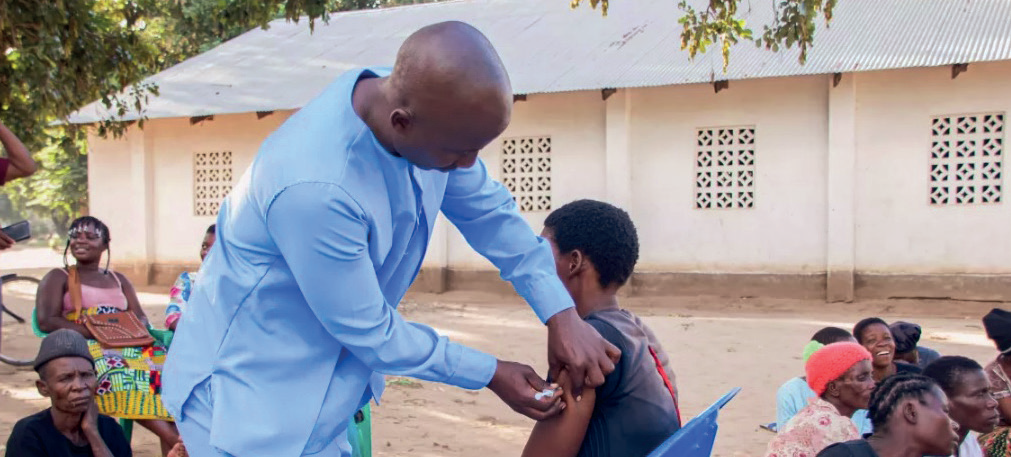
In May this year, she received a booster dose at an outreach clinic near her home in Nthukuso Village close to Nsanje Town.
Unicef is supporting the Ministry of Health, with assistance from Gavi, the Vaccine Alliance, to take vaccines closer to people at risk of dying from preventable illnesses.
“The second vaccine further protects me from Covid death or illness,” says Moda. “Some people told me the vaccine kills, but I am still alive because I trust what health workers tell me.”
She started receiving HIV treatment in 2008 and takes the life-prolonging drugs without fail as prescribed by health workers.
“I don’t doubt what health workers tell me. They cannot give us a vaccine that kills,” Moda says.
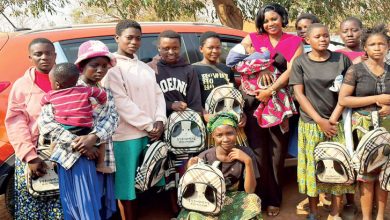
She belongs to Tisasalane Support Group, one of the 86 HIV support groups in the border district.
The groups of people living with HIV encourage each other and their neighbours to access the vaccines and HIV treatment to live long and healthy lives.
Tisasalane Support Group, with 60 people practising positive living, meets monthly to discuss and find solutions to issues they face in life. They encourage each other to take HIV drugs as prescribed and receive Covid-19 vaccines to boost their immunity.
As part of Unicef support, Nsanje District Health Office trained leaders of support groups, frontline health workers, community leaders and faith leaders to create demand for Covid-19 vaccination to expand access among people living with HIV.
“Illnesses are bound to occur since HIV lowers body immunity, but those vaccinated are unlikely to get bedridden or die from Covid-19,” says Farmington Chinkhoma, leader of the support groups’ chairpersons.
Urita Nyerezelani, 28, received both Covid and HPV vaccination during the outreach clinic near Fatima’s home.
She says the Covid-19 jab is a vital addition to tackle Aids-related deaths while the HPV vaccine protects her against cervical cancer, which disproportionately affects women with HIV.
“We have witnessed the power of medicine in reducing Aids-related deaths. In support groups, we share accurate information from health workers and encourage each other to receive Covid and HPV vaccines. The vaccines prepare my body to fight cervical cancer and coronavirus,” Nyelezerani states.
Disease control and surveillance assistant Gracious Manuel’s team at Nsanje District Hospital vaccinates 20 to 30 people daily.
She says many people in their communities are now well informed about the vaccines and HIV treatment options.
“Previously, people were flooded with false information. But support groups, together with religious and community leaders, are tackling the myths that vaccines kill or cause infertility. Many are getting vaccinated because their vaccinated colleagues are living healthy,” says the community health worker.
Manuel recalls vaccinating six members of religious groups opposed to modern medicine.
“This shows the power of engaging traditional and religious leaders. These gatekeepers use their influence and public gatherings to spread information about the importance of Covid-19 vaccination for all, including persons with HIV,” she says.
The community change agents rally people to get vaccinated despite the falling Covid-19 risk perceptions.
“Scriptures say: ‘Love your neighbour as you love yourself.’ We encourage everyone to get vaccinated to protect each other, especially the vulnerable groups such as the elderly and those with chronic diseases,” says Bishop Bellian Victor, who leads the Malawi Network of Religious Leaders Living With or Affected by HIV and Aids in Nsanje.
Nsanje district Aids coordinator McKnowledge Tembo says: “Covid-19 is still with us, so the support from Unicef helps us to protect our vulnerable colleagues. For people with HIV, their immunity is almost everything when it comes to who gets infected or not